Decorative Rock: Complete 2026 Guide for Any Yard
February 10, 2026
Topsoil vs Garden Soil: What to Buy for Your Yard
October 18, 2026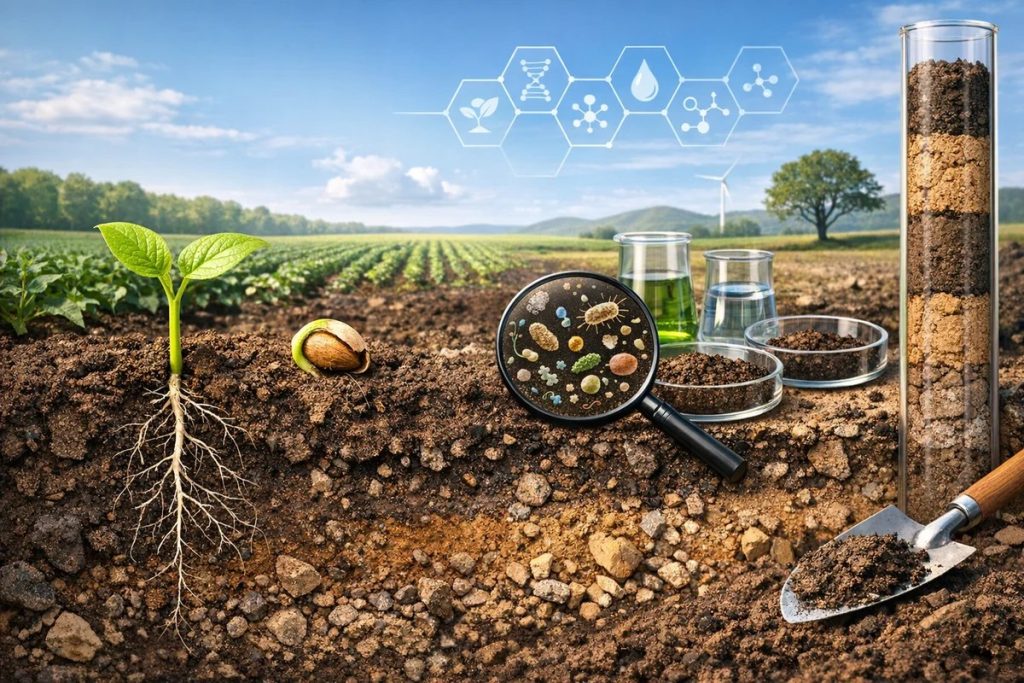
Why soils matter more than you think
What is soil? Soil is a living, evolving material made from weathered minerals, organic matter, water, air, and countless organisms. Unlike “dirt” (often used to mean displaced or lifeless earth), healthy soils have structure, biology, and active nutrient cycling, which is why they matter so much for plants, water movement, and whole ecosystems.
If you grow a garden, manage a farm, build on land, or simply want a healthier yard, your results usually come down to the same thing: the condition of the soil under your feet. A practical soil definition is “the top layer of the earth that supports plant life,” but the real story is that soil also functions like a filter, a sponge, and a habitat, all at the same time.
Here are the big roles soils play in daily life:
- Food production: roots need the right mix of water, oxygen, and nutrients.
- Water filtration and storage: soil slows, stores, and cleans water as it moves downward.
- Carbon storage: organic matter holds carbon that would otherwise be in the atmosphere.
- Habitat: microbes, fungi, insects, and worms drive decomposition and nutrient cycling.
- Support for buildings and landscapes: soil strength, drainage, and compaction affect foundations, grading, and erosion.
In this guide, you will learn how soil formation happens, what soil is made of, how to recognize common soil types, which soil properties control drainage and plant health, and what you can do to improve soil without guesswork.
How soil formation happens over time
Soil does not appear overnight. Soil formation is a slow process driven by the weathering of rock and the steady accumulation of organic material at the surface. Over time, minerals break down into smaller particles, plant and animal residues decompose, and water moves materials down through the profile, creating distinct layers.
Scientists often explain formation using the five soil-forming factors known as CLORPT:
- Climate: temperature and precipitation control weathering speed and organic matter breakdown.
- Organisms: plants, animals, and microbes add organic matter and mix the soil.
- Relief (topography): slope and landscape position affect drainage and erosion.
- Parent material: the original rock or deposited sediment influences texture and mineralogy.
- Time: older landscapes typically have more developed soil layers and chemistry.
These factors explain real-world differences you can see. A flat, stable landscape in a moderate climate may develop deep, dark, productive soils. A steep hillside, a very cold region, or an area with frequent flooding may have thinner, rockier soils because material is constantly being removed, deposited, or weathered more slowly.
Weathering and biology: the engines behind soil formation
Weathering is the engine that turns rock into the mineral fraction of soil. Physical weathering breaks rock into smaller pieces, for example freeze-thaw cycles that crack stone or abrasion from moving water. Chemical weathering changes minerals, like oxidation (rusting) of iron-bearing minerals or dissolution of limestone. Biological weathering overlaps with both; roots can pry open cracks, and organic acids from plants and microbes can help dissolve minerals.
Organisms push soil formation forward by adding and transforming organic matter. Earthworms mix surface residues into the topsoil, fungi help move nutrients and build aggregates, and microbes drive decomposition and nutrient cycling. Human activity can speed soil loss far faster than soil forms. Land clearing increases erosion, heavy equipment compacts soil, and poor drainage or bare ground can lead to runoff that strips away years of development.
Soil composition: what soil is made of
Soil composition is usually described as four main components: minerals (sand, silt, clay), organic matter, water, and air. The mineral portion provides the “framework” and many nutrients. Organic matter improves structure, feeds biology, and helps hold water and nutrients. Water and air occupy pore spaces, and the balance of those pores determines whether roots can breathe and whether water moves through or puddles on top.
You will sometimes hear about an “ideal” balance for plant growth, often described as roughly half minerals and half pore space (with pores split between water and air). That is a helpful concept, but it varies by environment, season, and management. A sandy soil might drain quickly and hold more air, while a clay soil may hold more water but risk poor aeration if compacted.
Common constituents you will find in real soils and what they contribute:
- Sand: larger particles that improve drainage and reduce stickiness.
- Silt: medium particles that feel smooth and can hold nutrients fairly well.
- Clay: tiny particles with high nutrient and water holding, but can drain slowly.
- Organic matter (humus and residues): fuels biology, improves aggregation, increases water holding.
- Soil water: the reservoir plants draw from, also moves dissolved nutrients.
- Soil air: oxygen for roots and microbes, critical for healthy growth.
- Living organisms: bacteria, fungi, nematodes, insects, and worms that keep cycling nutrients.
USDA Natural Resources Conservation Service resources and many soil scientists often emphasize that organic matter and soil structure are two of the biggest drivers of long-term soil function. The good news is that these are also two areas landowners can improve with consistent practices.
Soil layers and horizons: reading a soil profile
Soil layers are commonly described as horizons, which are zones that form as materials are added, transformed, moved, or lost. A typical profile may include:
- O: surface organic layer, leaves, mulch, decomposing plant material (often thin or absent in lawns).
- A: topsoil, darker, most roots and biological activity, often the most fertile.
- E: leached layer (not always present), lighter color from loss of clay, iron, or organic matter.
- B: subsoil, zone of accumulation where clays, iron, or carbonates may build up.
- C: partially weathered parent material, less biological activity.
- R: bedrock.
Leaching moves soluble materials downward, while accumulation concentrates them in lower horizons. That pattern affects fertility, drainage, and rooting depth. Quick tip: if you dig a small hole or take a soil core, note color changes (dark to light), root density, and texture shifts. Those clues often explain why one part of a yard stays wet, dries out fast, or grows better than another.
Soil types you will actually encounter
When people talk about soil types, they often mean texture, the percentage of sand, silt, and clay. Texture is different from structure. Texture is the particle size mix you are born with (mostly tied to parent material). Structure is how those particles clump into aggregates, and structure can improve or degrade depending on organic matter, compaction, and management.
The main textural soil types you will hear most often are:
- Sandy soil: drains fast, warms quickly, can struggle to hold nutrients and moisture.
- Silty soil: feels smooth, often fertile, but can compact or crust if structure is weak.
- Clay soil: holds water and nutrients well, but can drain slowly and crack when dry.
- Loam: a balanced mix that tends to support the widest range of plants.
Most real soils are mixes, and they can change dramatically over short distances. A backyard might have loam near the house where topsoil was added, clay in a low spot where water sits, and sandy fill along a utility trench. That is why “my soil” is often really “my soils,” plural, and why observation and a simple test are so useful before you amend or regrade.
Quick comparison of common soil types
| Soil type | Feels like | Drainage | Nutrient holding | Best for |
|---|---|---|---|---|
| Sandy | Gritty | Fast | Low | Drought-tolerant plants, fast-draining beds |
| Silty | Soft, floury | Moderate | Moderate to high | Many crops, but can compact |
| Clay | Sticky when wet | Slow | High | Moisture-loving plants, needs structure help |
| Loam | Crumbly | Balanced | Balanced | Most gardens and landscapes |
Soil properties that control plant growth and drainage
Texture matters, but it is only one part of the story. The most useful soil properties for diagnosing plant problems and drainage issues include:
- Texture: the sand-silt-clay mix, sets baseline drainage and water holding.
- Structure: how particles aggregate, good structure creates pore space for air and water movement.
- pH: how acidic or alkaline soil is, influences nutrient availability and microbial activity.
- Organic matter: improves aggregation, water holding, and nutrient cycling.
- Cation exchange capacity (CEC): the soil’s ability to hold positively charged nutrients, often higher in clay and organic matter.
- Salinity: excess salts can stress plants and reduce water uptake.
- Compaction: compressed soil reduces pore space, limiting drainage and root growth.
- Biological activity: organisms that build structure, suppress some diseases, and release nutrients.
These properties show up as everyday symptoms. Puddling and runoff often point to compaction, poor structure, or a restrictive subsoil layer. Crusting can happen in silty soils with weak aggregation. Yellowing leaves may relate to pH-driven nutrient lockup or poor aeration that stresses roots. Shallow roots can signal compaction or a hardpan. Learning to connect symptom to property helps you choose a fix that lasts, not a quick patch that needs repeating every year.
Simple ways to test soil at home and when to use a lab
You do not need fancy gear to learn a lot about your soil. Try these simple checks first, then confirm with a lab if needed.
- Jar test (texture): shake soil in a clear jar with water and a drop of dish soap, then let it settle. Sand drops first, silt next, clay last, giving a rough texture estimate.
- Infiltration test (drainage): dig a small hole, fill with water, let it drain, then refill and time the second drain. Slow drainage can suggest compaction, clay, or a restrictive layer.
- Ribbon test (clay content): moisten soil and press it between fingers. If it forms a long ribbon before breaking, it likely has higher clay.
- Visual structure check: crumble a handful, look for stable crumbs (aggregates) versus hard clods or powder.
For pH, you can use an inexpensive test kit, or send a sample to a local extension lab for more reliable results. In general, many garden plants do well around slightly acidic to neutral conditions, and extreme pH can reduce nutrient availability even when nutrients are present.
Consider a lab test if you have persistent plant problems, you are starting new garden beds, you need nutrient management guidance, or you suspect salts or contamination. Many university extension services and agricultural labs provide standardized testing and clear recommendations.
Put your soil knowledge to work with better soil care
Soil improvement works best when it matches your soil type and the property you are trying to change. A sandy soil often benefits from organic matter to increase water and nutrient holding. A clay soil usually improves most from better structure, consistent organic inputs, and reducing compaction, not from adding sand (which can create a dense, hard-to-work mix if the proportions are off and organic matter is not increased).
Practical strategies that help many soils:
- Compost: adds stable organic matter, supports biology, and improves structure over time.
- Mulching: protects the surface, reduces evaporation, limits crusting, and buffers temperature swings.
- Aeration: can relieve surface compaction in lawns and high-traffic areas (especially when followed by organic matter).
- Cover crops: keep soil covered, add roots that create pores, and reduce erosion on bare ground.
- Reduced tillage where appropriate: helps preserve aggregates and fungal networks, especially in garden beds and fields.
Use this quick checklist to protect soils year-round:
- Keep soil covered: mulch, plant cover, or residue reduces erosion and moisture loss.
- Minimize compaction: avoid working wet soil and limit heavy traffic.
- Add organic matter: compost, leaves, and root inputs feed structure and biology.
- Manage water flow: direct runoff, fix downspout discharge, and address low spots that stay saturated.
- Prevent erosion: stabilize slopes, maintain vegetation, and protect bare areas quickly.
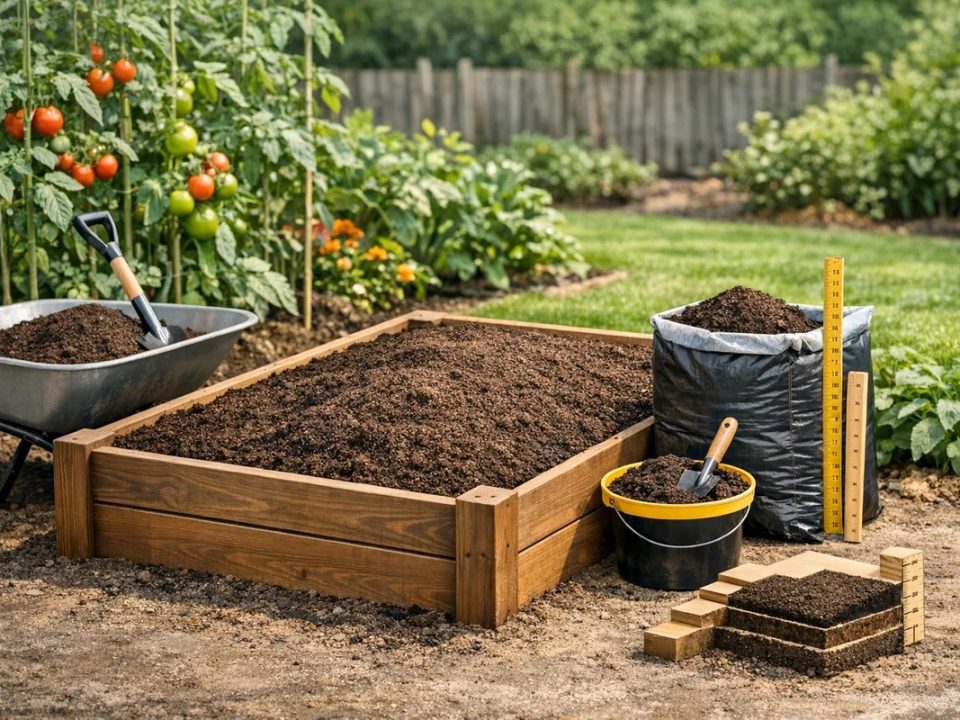
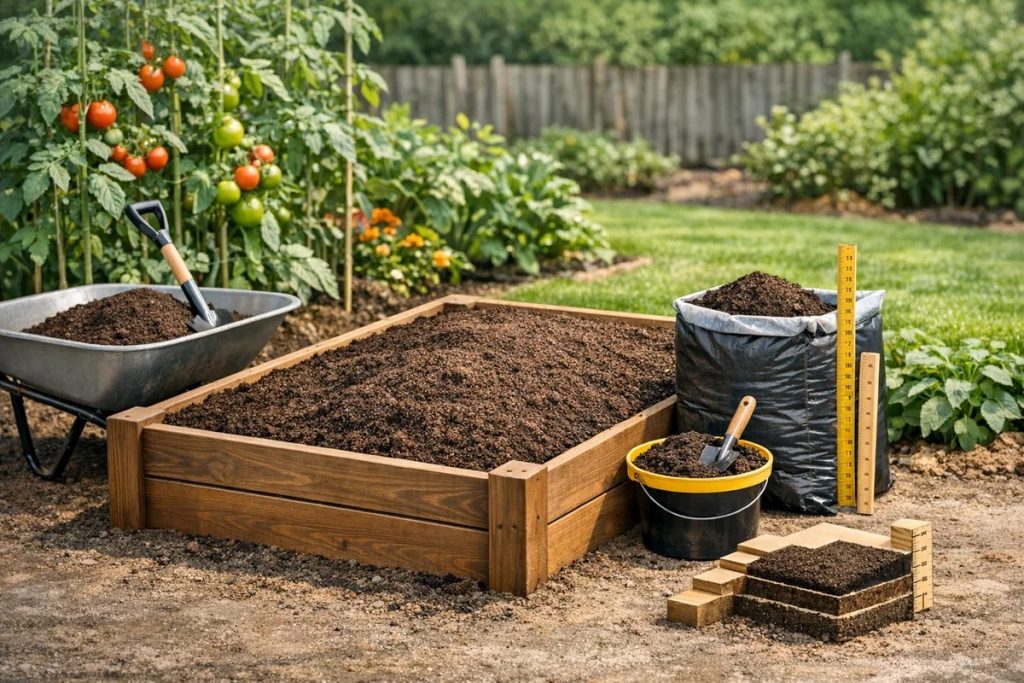
If you want a simple plan for this season, do this: observe your soil layers in one small hole, run one home test (jar or infiltration), then choose one improvement that matches what you found. Small, consistent changes usually beat big, one-time fixes. For containers and raised beds, a blended mix can be easier to manage than native soil, and you can use DIY potting soil recipes and custom soil mixing ideas as a starting point.
Ready for clearer answers from your soil and your site?
Call (909) 627-7481 or visit our Chino yard at 5675 Francis Ave. You can also reach O.F. Wolfinbarger Inc. through our contact page.
Soils FAQ: common questions answered
What is soil made of exactly?
Soil is made of mineral particles (sand, silt, and clay), organic matter from living and once-living things, plus the pore spaces filled with water and air. The proportions of these parts shape how well soil drains, how many nutrients it can hold, and how easily roots can grow.
What are the main soil layers called?
Soil layers are commonly described as horizons, often labeled O, A, E, B, C, and R. Each horizon forms through additions, losses, and movement of materials, and the pattern can tell you a lot about drainage, fertility, and rooting depth.
What are the different soil types and which is best for gardening?
Common soil types include sandy, silty, clay, and loam, with loam often considered the most garden-friendly because it balances drainage and moisture retention. However, the best soil type depends on your plants and climate, and most soils can be improved by building structure and organic matter over time.
How does soil formation differ from composting?
Soil formation is the long-term development of soil from parent material through weathering, biological activity, and horizon development, often over hundreds to thousands of years (and sometimes longer, depending on conditions). Composting is a faster managed process that turns organic waste into stable organic matter you can add to soil to improve structure and fertility.