Woodchips and Mulch: A Practical Garden Guide (2025)
February 22, 2025
Soils Explained: Types, Layers, Properties, and Care
February 20, 2026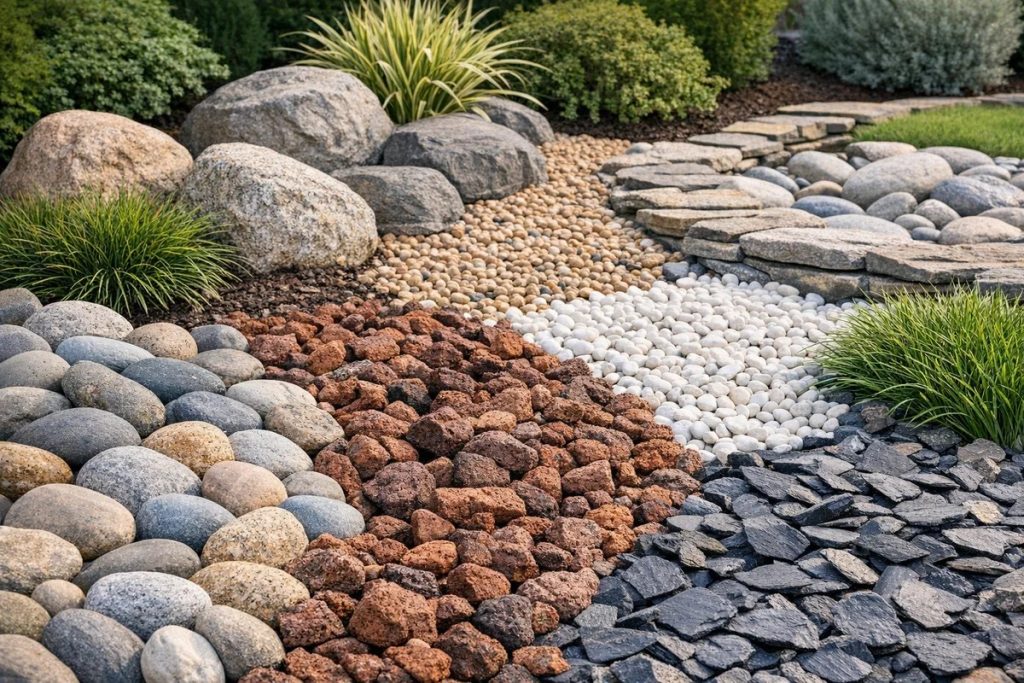
Decorative rock basics for a cleaner, low-maintenance landscape
Decorative rock is natural or manufactured stone used as a ground cover and design element in landscaping. It replaces or accents mulch and soil with longer-lasting texture and color, and it often provides a more drainage-friendly surface than bare dirt, although it will not fix underlying grading or drainage problems. Homeowners like decorative rock because it can instantly sharpen curb appeal and keep beds looking tidy between seasonal cleanups. You also get practical benefits: less splashback on siding, cleaner edges around patios and walkways, fewer muddy spots after rain, and fewer weeds compared to bare soil. In the right places, decorative rocks can help slow erosion by protecting soil from heavy rainfall and foot traffic.
That said, set expectations up front. Decorative rock typically costs more than mulch at the start, especially if you choose premium decorative stone blends or need delivery. Rock can also hold heat in full sun, which can be great for some drought-tolerant plants but stressful for others. The biggest make-or-break factor is prep. Without a stable base and a plan to separate soil from stone, landscape rock can sink over time, mix with dirt, and start to look “patchy.” Done well, decorative landscaping rock is one of the most consistent ways to keep a yard looking intentional with less weekly fuss.
Types of decorative landscaping rock and how they compare
Think of this as a buyer-friendly cheat sheet: what each material looks like, where it performs best, and what to avoid. Shoppers will also see sizing terms like fines (very small), 3/8 inch, 3/4 inch, 1 to 2 inch, plus cobbles and boulders. As size increases, the look gets bolder and movement usually decreases, but installation and future changes get harder.
Decorative gravel and small rock: best for paths, patios, and drainage
Decorative gravel shines where you need coverage that can be shaped, topped up, or refreshed without heavy equipment. For walkability, pea gravel is popular because it feels smoother underfoot, especially in casual garden paths. For compacted, natural-looking walkways, decomposed granite can be watered and tamped to create a firmer surface, which is helpful near a patio or a frequently used side gate. Crushed stone is the stability pick because its angular faces lock together, making it better for high-traffic paths and high-use utility areas. River gravel (smaller, rounded pieces) gives a softer, natural look and is often used around downspouts or drainage zones.
Selection tip: if people will walk on it daily, favor angular material that compacts. Rounded gravel shifts more and can “kick out” without strong edging. Color matters too: lighter blends can show less dust in dry months, while mid-tone mixes often hide leaf bits and everyday debris. For most paths, pair decorative landscaping rock with a compacted base and edging so it stays contained and doesn’t migrate into lawn edges.
Decorative stone for beds: river rock, lava rock, and marble chips
For planting beds, many homeowners choose a decorative stone that looks good year-round and handles irrigation overspray and rainfall. River rock is a classic option for drainage and a smooth, rounded look, especially around shrubs, foundation plantings, or dry creek beds. Lava rock is lightweight, so it often covers more area per ton than denser stone, and its rich color can make greenery pop. Marble chips bring bright contrast and a more formal, “clean-lined” feel, which can match modern or traditional landscapes depending on the edging and plant choices.
Practical cautions: bright white stone can show leaves, mulch bits, and soil splatter quickly. Lava rock can be brittle and break down under repeated foot traffic or aggressive raking. Larger river rock can be harder to rake and blow clean, especially in beds with dense plants. A good rule is to match stone size to bed scale and plant spacing. If plants are small and spaced far apart, oversized rock can look sparse and awkward. If plants are larger, medium landscape rock provides the visual weight to keep beds from looking “peppered” with tiny gravel.
Landscape rock vs decorative gravel: quick comparison table
| Material | Best for | Pros | Watch outs |
|---|---|---|---|
| Decorative gravel (small) | Paths, patios, drainage zones | Good compaction options, easy to spread | Can migrate without edging |
| Landscape rock (medium to large) | Beds, borders, dry creek features | Bold texture, less movement | Harder to remove or change later |
| Decorative stone (mixed) | Accent areas and focal points | Wide color choices, premium look | Price varies widely by type |
Quick takeaway: choose smaller, more stable material for walking surfaces and larger rock for visual weight and wind resistance. When in doubt, bring the “big” rock into beds and borders, and keep the “small” rock in contained zones like paths and drainage runs.
How to choose the right decorative stone for your yard
A simple framework keeps you from buying the wrong product and paying twice. Start with function first (walkway, bed cover, drainage, accent), then choose size, then narrow down color and budget. Climate and site conditions matter too. In heavy rain regions, landscaping stones that promote surface drainage (like river rock or clean, washed gravel) can help reduce splash and localized pooling in some areas, especially when paired with proper grading. In hot, sunny sites, darker rock can raise soil temperatures, so lighter tones or strategic placement (morning sun, afternoon shade) can protect plants.
- Coverage area: measure length and width
- Desired depth: bed vs path needs differ
- Rock size: fines, 3/8 inch, 3/4 inch, 1 to 2 inch, cobbles
- Color blend: match home tones and hardscape
- Delivery access: gate width, driveway protection
- Edging plan: how you will keep it contained
How much decorative rock do you need: depth, coverage, and a quick formula
Depth is where projects often go wrong. Too thin and soil shows through, weeds find sunlight, and the bed looks unfinished. Too deep and you waste money, plus you can bury plant crowns. As a rule of thumb, plan 2 to 3 inches for most beds using small to medium decorative rock. For larger landscape rock (chunkier material that does not “knit” together), 3 to 4 inches can look and perform better. For paths, follow product guidance based on base prep and expected traffic; a compacted base changes everything.
Use this quick math:
Cubic feet = length (ft) x width (ft) x depth (ft)
Cubic yards = cubic feet / 27
Add 5 to 10 percent for settling and waste
Most suppliers sell bulk by the cubic yard, which is usually the best value for a full-yard refresh or multiple beds. Bagged rock is priced higher per unit, but it is great for small projects, tight access areas, or touch-ups where you do not want a pile in the driveway.
Where to use garden rocks and where not to
Garden rocks are most effective where you want clean, durable coverage and a crisp border line. Great spots include foundation plantings, along fences, under deck edges, beneath downspouts (paired with proper drainage routing), around hardscapes like patios and sidewalks, and in xeriscape zones where you want less watering and less mulch maintenance. Decorative rocks also work well in narrow side yards where mowing is awkward.
Avoid or plan carefully on steep slopes unless you have stabilization, proper edging, and a strategy for runoff. Also think twice in areas with heavy leaf drop if you cannot blow debris out regularly; leaves can break down into compost that fills gaps and invites weeds. For play areas, small stones can be a concern for little kids and pets. Design tip: repeat the same decorative rock for landscaping in multiple spots for cohesion, instead of mixing too many colors and textures in one yard.
Step-by-step: installing decorative rocks that stay put
The goal is a base and border system that prevents rock from sinking, spreading, and mixing with soil. What changes based on location is the “under layer.” Beds usually need separation and weed management, while paths often need a compacted base for stability. Drainage zones need clean rock and a layout that keeps water moving away from structures.
Numbered steps to install decorative rock for landscaping
- Mark the area and measure for coverage and depth.
- Remove weeds, grass, and loose debris, then rake the soil smooth.
- Install edging to define the border and prevent migration.
- Add and pin landscape fabric (or a compacted base layer for paths) with overlaps so soil stays separated.
- Spread rock evenly to the target depth, then lightly rake to level and settle.
- Rinse dusty stone if needed and top up thin spots after the first rain.
Best practices that save headaches later: keep decorative rock a few inches away from plant crowns and tree trunks to reduce rot risk and make watering easier. Also maintain drainage flow away from the foundation, especially where downspouts or valley runoff enters a bed. If you are unsure about grading, it is worth getting a pro opinion before the rock goes down, because reworking drainage after the fact is expensive.
Weed control, edging, and keeping landscape rock looking fresh
Even with fabric, some weeds will show up over time, usually from windblown seeds that sprout in dust and organic debris. What actually works is a simple routine: apply pre-emergent at the right times (based on your local season), pull the occasional weed before it roots deeply, and blow out leaves so they do not decompose into soil. Instead of constantly raking, which can mix dirt upward, top up landscape rock in thin areas every so often to maintain a consistent layer.
Edging is the unsung hero. Steel and aluminum edging create crisp lines, paver restraints are great for paths, and natural stone borders can look timeless in planting beds. Strong edging reduces decorative gravel spread and keeps the project looking sharp for years.
Design ideas with landscape rock, garden rocks, and decorative gravel
You do not need a massive renovation to get results. A few well-placed updates can make the whole yard feel cleaner and more finished, especially near the front entry and along the driveway. For a cohesive palette, match stone color to the home’s tones (siding, brick, trim) and coordinate with hardscape materials. Many homeowners like using rock as a crisp contrast to bark or mulch in planting zones, so each area has a clear “job” and a clear visual boundary.
Easy decorative rock layout ideas that look intentional
- Dry creek bed using mixed stone sizes, with small gravel as the base and a few larger cobbles to mimic a natural stream edge.
- Rock border around planting beds to create a clean mowing line and reduce mulch spill.
- Gravel seating nook with compacted crushed stone under a bistro set or fire pit area.
- Stepping stones set into decorative gravel for a path that looks finished but still drains well.
- A boulder focal point with a smaller rock “halo,” great for corners that need a visual anchor.
A simple proportion that works: use larger stones sparingly as anchors, repeat mid-size rock for the “body” of the space, then use small gravel as filler where you want a smoother finish or better compaction. This keeps the design from looking random.
Buying tips: color blends, delivery, and what to ask a rock supplier
Before you buy, ask to view the pile in person or request a sample. Stone can look very different when it is wet versus dry, and sunlight can change how reds, grays, and tans read next to your home. Ask about dust level and whether the product is washed, confirm the size range is consistent, and check whether the stone is crushed or rounded (important for compaction and movement).
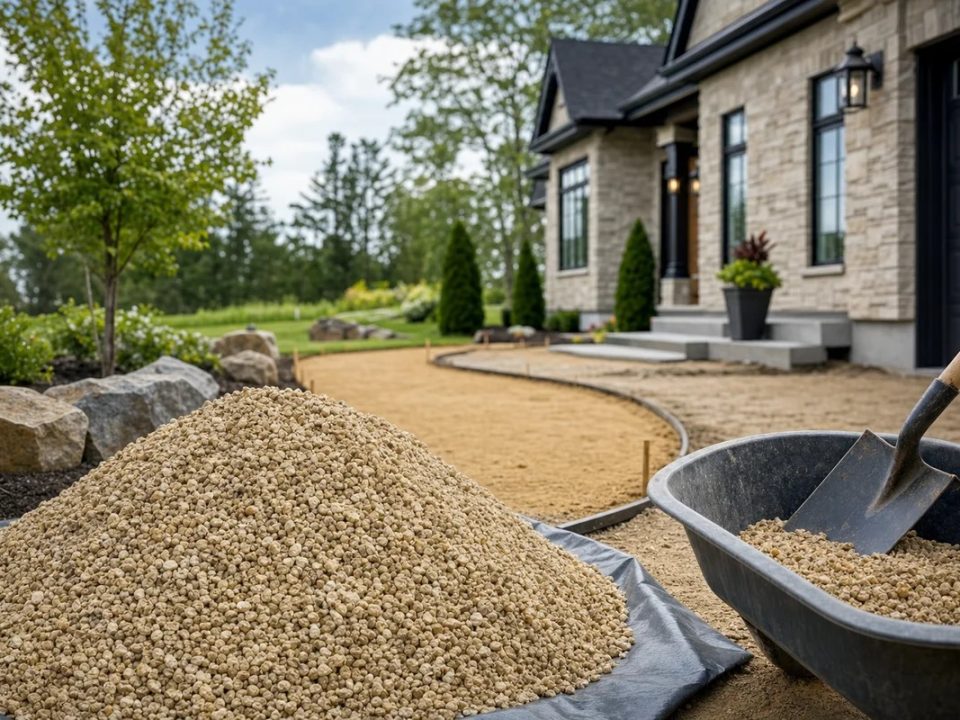
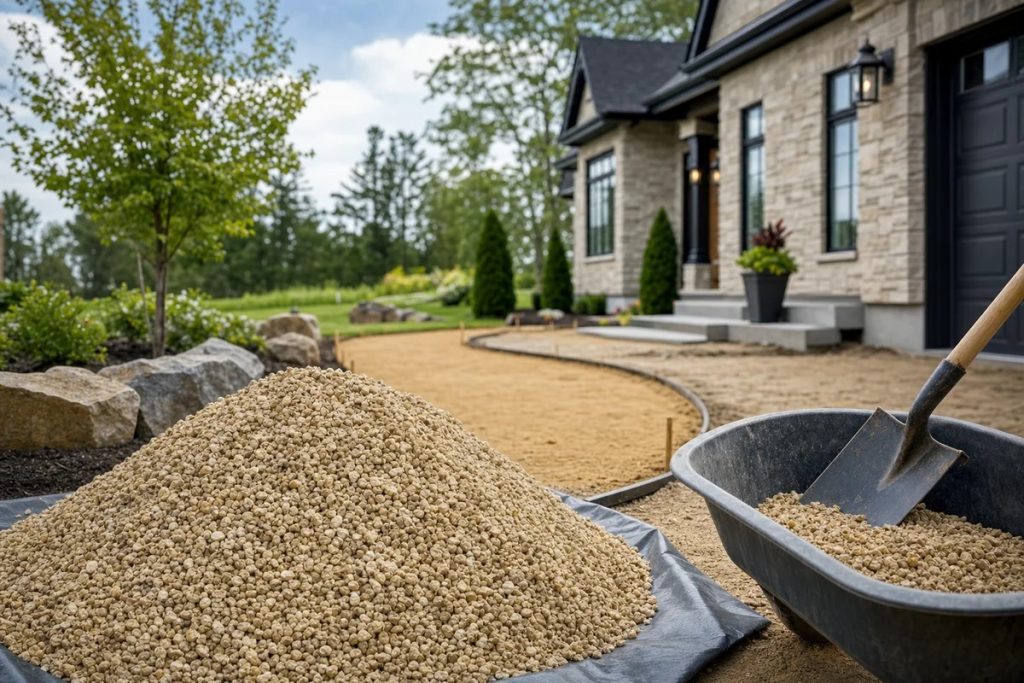
For delivery, confirm access and where the pile will be dumped. You may want a tarp or plywood to protect driveways, and you should plan where wheelbarrows can travel without tearing up turf. If you might have leftovers, ask about return policies or keep extra for seasonal top-ups.
If you want a faster, more accurate estimate, measure your space (length, width, and desired depth) and share those numbers with a pro. Call (909) 627-7481 or visit our Chino yard at 5675 Francis Ave. You can also reach O.F. Wolfinbarger Inc. through our contact page.
Decorative rock FAQs people ask before they buy
Fabric, depth, and maintenance are the three topics that confuse people most. These quick answers will help you plan a project that stays neat and low-stress.
Is decorative rock better than mulch for landscaping beds?
Decorative rock lasts longer and won’t decompose, so it can reduce annual refresh work. Mulch can be better for soil health and cooling plant roots, so many homeowners use rock for low-maintenance zones and mulch where plants need richer soil and moisture retention.
Should I put landscape fabric under decorative rocks?
Landscape fabric can help separate soil from stone and reduce sinking, especially in muddy areas, but it is not a magic weed blocker. For best results, combine fabric with solid edging, proper depth, and seasonal pre-emergent weed control.
What depth of decorative gravel is best for a walkway?
For most walkways, plan on a compacted base plus enough decorative gravel to finish at about 2 to 3 inches thick after settling. If you want a firmer surface, choose an angular material that compacts better and install strong edging to keep the path from spreading.
How do I keep garden rocks from spreading into the lawn?
Use continuous edging that sits slightly above grade, keep the rock layer inside the border, and avoid overfilling near the edge. If you already have spillover, rake rock back into place and consider adding a paver strip or mow strip to create a wider buffer.