Soils Explained: Types, Layers, Properties, and Care
February 20, 2026
How to Remove Dirt From Landscape Rock
October 18, 2026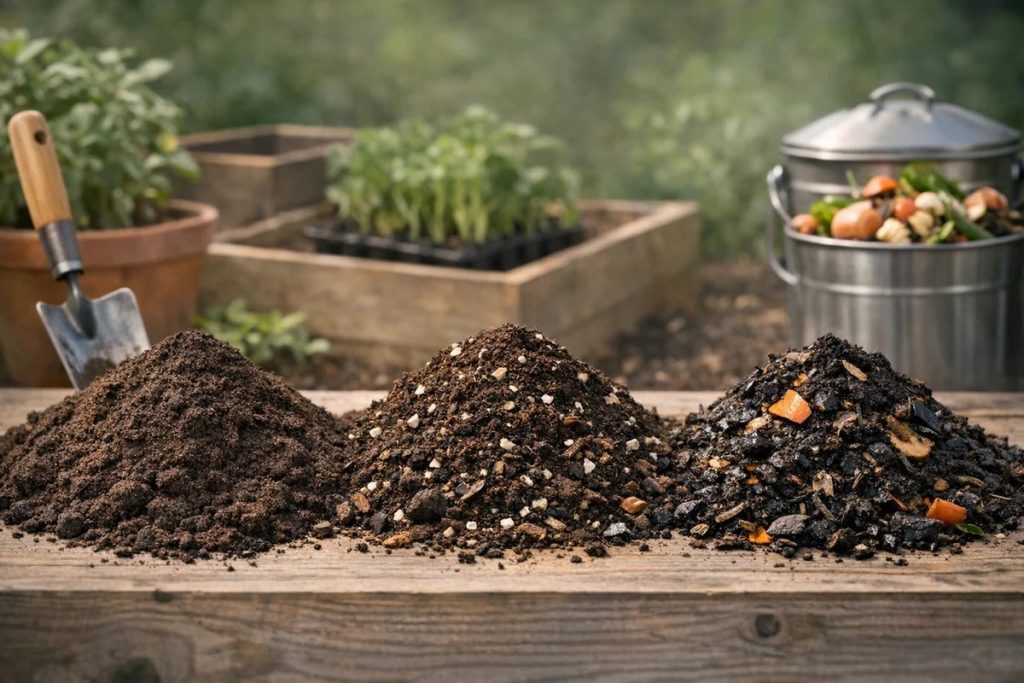
Topsoil, garden soil, and compost explained in plain English
Topsoil is typically the upper layer of native soil, mostly mineral particles (sand, silt, clay) with a smaller amount of organic matter. Garden soil is a blended planting mix (often topsoil plus composted ingredients) made to be easier to plant into. Compost is decomposed organic matter used to improve soil structure, biology, and long-term performance. If you want a deeper breakdown of how soils behave, see this guide to soil types, layers, and properties.
Here’s the catch: none of these products are perfectly standardized. Bagged “garden soil” can vary widely by brand, and bulk “topsoil” can range from beautiful loam to rocky fill. That quality swing is why the same project can go great at one home and struggle at another, even with the “same” material.
The buying goal is simple: match the product to the project. Beds and planting areas need good structure and organic matter; lawns and grading need a smooth, consistent mineral base, and compost is your go-to fixer when soil is tired, compacted, or low in life. Pick the right one up front, and you avoid common drainage, settling, and nutrient problems later.
What topsoil really is and when it works best
Topsoil is usually mineral soil with some organic matter, harvested from the upper layer of the ground. In bulk, it may be sold as “screened topsoil” (more refined) or as a more raw material that can include rocks, sticks, and clods. That screening step is often one of the biggest differences between “nice to work with” and “a nightmare to rake.”
One myth to drop quickly: topsoil is not automatically rich, sterile, weed-free, or ideal for planting all by itself. In many cases, it’s better viewed as a base material for grading, filling, or blending. Topsoil works best for grading, filling low spots, and improving native soil when you blend it with compost.
Topsoil basics: texture, drainage, and what “screened” means
Screened topsoil has been run through a screen to remove larger debris and create a more consistent texture. Unscreened soil may contain rocks, roots, and chunks that make spreading harder and can leave bumps in lawns. When you look at topsoil, texture matters: sandy soil drains fast, clay holds water, and a loam-like mix (a balanced blend of sand, silt, and clay) is the goal for many landscapes.
Red flags include a foul odor, lots of debris, excessive clay clods that won’t break apart, or visible trash. If it looks like “construction leftovers,” it probably is.
Best uses for topsoil in the yard
Topsoil shines for lawn repair and leveling (thin topdressing and filling shallow depressions), grading and backfilling before sod or seed, and building up low areas where water pools. If you plan to plant into it, blend topsoil with compost first to improve structure and fertility.
What garden soil is designed for
Garden soil is a blended product meant for planting, commonly made from topsoil plus composted organics (and sometimes sand, peat, coir, or forest products). The intent is better “tilth,” meaning it’s easier to dig, easier for roots to move through, and better at handling moisture than plain topsoil.
That’s why, for many homeowners comparing garden soil vs topsoil, garden soil feels more “garden-ready” right out of the bag or pile. More organic matter can help with drainage in tight soils and moisture retention in sandy soils.
The tradeoff is that some garden soils are heavy, overly woody, or so rich that they settle a lot or stay too wet, depending on the ingredients. The difference between topsoil and garden soil is not just the name; it’s the blend and how it behaves after watering and time.
Garden soil ingredients: what to look for on the label
Common ingredients include topsoil (adds mineral structure), compost (adds organic matter and biology), peat or coir (improves moisture handling), aged bark (adds bulk, can increase air space), and sand (can improve drainage in certain mixes). Marketing terms like “enriched,” “premium,” or “organic” matter less than the actual ingredient list and texture. If you like to fine-tune blends, these soil mixing components can help you build a mix that matches your drainage and planting needs.
Quick tip: aim for a balanced mix with composted material that looks dark and crumbly, not a bag that’s mostly wood fines or bark chunks. Too much woody material can tie up nitrogen as it breaks down.
Where garden soil shines and where it can disappoint
Garden soil is a strong choice for in-ground planting and for amending existing beds, especially if your native soil is compacted or low in organic matter. It’s usually not ideal for precise grading, filling deep holes by itself (settling is common), or containers, where it can compact and drain poorly. Treat it as a planting blend, not a one-size-fits-all replacement for every soil job.
Compost: the soil improver that is not quite soil
Compost is decomposed organic matter made from things like leaves, yard waste, and sometimes food scraps or manure-based inputs. Its superpower is improving soil over time: it boosts organic matter, supports soil biology, and helps create better structure so water and air move more naturally through the root zone. (If you’re comparing types, inputs, and uses, this overview of composts for fertilizers is a helpful next stop.)
Compost is usually a supplement, not a stand-alone growing medium for most outdoor beds. Straight compost can drain inconsistently (either too fast or too slow depending on particle size), shrink as it continues breaking down, and it may not provide a complete nutrient plan for heavy-feeding plants.
Quality varies a lot. Finished compost smells earthy and looks crumbly. “Hot” or unfinished compost can smell sour, feel slimy, or contain recognizable chunks that are still breaking down. According to guidance commonly shared by university extension programs, compost maturity and salt content can make a big difference in plant performance.
What compost changes in your garden (and what it does not)
Structurally, compost helps sandy soils hold moisture and helps clay soils loosen and drain by encouraging aggregation (small clumps that create pore space). Fertility-wise, it contributes nutrients slowly, but it’s not always enough for heavy feeders like tomatoes or corn without additional fertilizing, especially if your starting soil is poor.
Application basics are straightforward: mix compost into beds before planting, topdress established beds, or use it as a thin mulch-style layer where appropriate. A common approach is a 1- to 2-inch topdressing in spring or fall, then let earthworms and weather work it in over time.
When compost beats both topsoil and garden soil
If you’re reviving tired beds, adding organic matter is often the highest-impact first step, so compost wins. Compost also upgrades mediocre topsoil, turning “just fill” into something plants can actually thrive in. For seasonal maintenance, a yearly compost topdressing keeps beds productive without constantly replacing soil.
Topsoil vs garden soil vs compost at a glance
If you’re stuck in the aisle comparing topsoil vs garden soil vs compost, it helps to think in categories: ingredients, texture, nutrients, drainage, best uses, and common pitfalls. Keep in mind formulas and bulk sources can change, so use this as a decision guide, not a guarantee.
Comparison table you can screenshot at the store
| Product | What it is | Best for | Watch outs |
|---|---|---|---|
| Topsoil | Mineral soil (often screened), varies by source | Grading, filling, lawn topdressing, blending into native soil | Can be low in organic matter, may compact, can contain debris/weeds |
| Garden soil | Blended planting soil (often topsoil plus composted organics) | In-ground beds, planting areas, amending existing soil | Can be too woody or too heavy, not ideal for precise grading or containers |
| Compost | Decomposed organic matter | Improving soil structure and biology, topdressing, blending into topsoil | Quality varies, may be unfinished, can be salty depending on inputs |
- Best for lawns and leveling: screened topsoil (sometimes with a light compost touch)
- Best for planting in-ground: garden soil, often improved with compost
- Best for improving what you already have: compost
How to compare bagged labels and bulk soil descriptions
For bagged soil, check the ingredient list, look at texture through the bag, and confirm the intended use (in-ground vs containers). For bulk soil, ask what it’s screened to, where it comes from, and whether it’s straight topsoil or a topsoil blend. Avoid common traps like confusing “composted forest products” (often woody) with finished compost, or buying fill dirt that’s marketed as topsoil.
Ready to buy: which soil is right for raised beds, lawns, and planting
Start with the project type first, then think about budget and logistics (bags vs bulk delivery). If you’re planting, prioritize structure and organic matter. If you’re grading or leveling, prioritize consistency and rake-ability. If you’re trying to fix poor soil, compost is often the most forgiving first purchase. If you want to compare options side-by-side, browse the available soils and soil blends.
Simple blends work for most homeowners, and if you’re dealing with repeated failures, a soil test is worth considering. Many extension services recommend soil testing to guide pH and nutrient corrections, especially when plants struggle despite watering and sun.
Before you buy, choose the best-fit product, calculate volume, then get enough to finish in one pass. Mixing batches from different sources mid-project is a common way to end up with uneven settling and drainage.
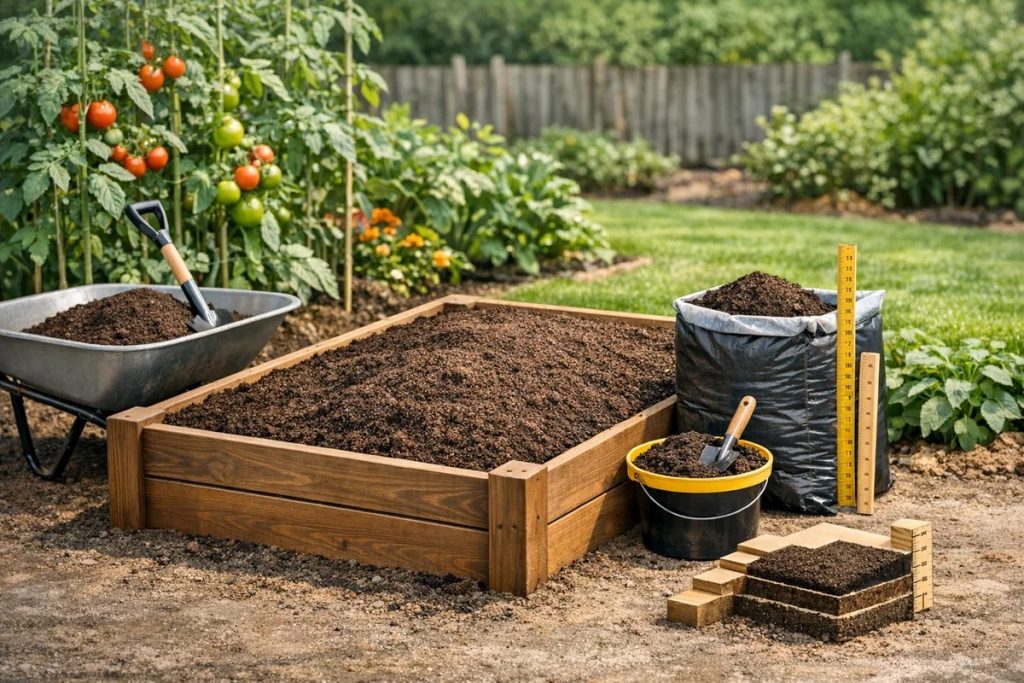
Topsoil or garden soil for raised beds
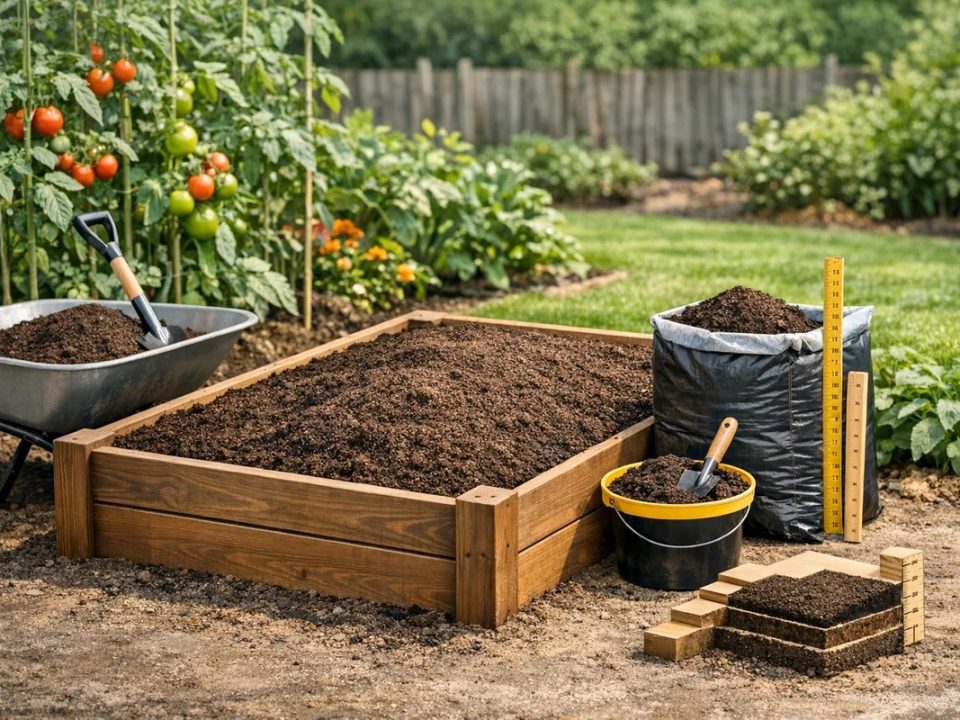
If you’re asking topsoil or garden soil for raised beds, the best practical approach is a raised bed mix or a simple blend that includes compost for nutrients and structure. Garden soil is often easier than plain topsoil because it is already “planting oriented,” but it still benefits from added compost, especially if it contains lots of mineral soil.
Topsoil can work in raised beds only if it’s quality loam and you blend in compost. Avoid heavy clay topsoil that compacts and stays wet; that’s a recipe for slow roots and rot. A common starter blend that works in many regions is about 50 to 70 percent garden soil or screened topsoil plus about 30 to 50 percent compost. Adjust based on what you can get locally and how your bed drains after a deep watering.
Best picks for lawns, leveling, and grading
For lawns, choose screened topsoil for leveling and thin topdressing because it spreads smoothly and won’t leave chunky debris behind. Garden soil is usually too rich and textured for a clean grade, and woody bits can interfere with seed-to-soil contact. If turf is struggling, a topsoil base plus a very light compost topdressing can improve germination and soil structure over time.
Keep layers thin over existing grass so you don’t bury crowns. Rake it in, water it in, and overseed if needed for a faster, thicker recovery.
Buying checklist for fast, confident decisions
- Identify the project (planting bed, raised bed, lawn leveling, grading).
- Choose the product or blend (topsoil, garden soil, compost, or a mix).
- Check texture and ingredients (avoid excessive clay clods, trash, and mostly wood fines).
- Estimate volume so you can complete the job in one pass.
- Plan application and watering (thin layers on lawns, deeper mixes for beds).
Avoid using topsoil or garden soil in containers unless the bag specifically says it’s for pots. For containers, choose a potting mix designed for drainage and consistent moisture. If you’re unsure, the safest default move is often to buy compost to improve what you already have, then reassess after a season.
Get help matching soil to your specific yard
If you’re still torn on which is better topsoil or garden soil for your project, it usually comes down to drainage, how deep you’re filling, and what you’re planting.
Call (909) 627-7481 or visit our Chino yard at 5675 Francis Ave. You can also reach O.F. Wolfinbarger Inc. through our contact page.
Topsoil vs garden soil FAQs
Quick answers for the most common last-minute shopping questions, so you can load the right material the first time.
Is topsoil the same as garden soil?
No. Topsoil is primarily mineral soil from the ground (quality varies), while garden soil is usually a blended product meant for planting, often including composted organic matter for better tilth and nutrients.
Which is better topsoil or garden soil for planting?
For most in-ground planting, garden soil is often the easier choice because it is blended for planting and typically includes organic matter. Topsoil can work well when it is high-quality loam and you mix in compost.
Topsoil or garden soil for raised beds: what should I buy?
Most raised beds do best with a blend that includes compost. If you cannot buy a labeled raised bed mix, combine screened topsoil or garden soil with compost to improve drainage and fertility.
Topsoil vs compost vs garden soil: do I need all three?
Not always. Use topsoil for grading and leveling, garden soil for planting areas, and compost to improve structure and biology. Many projects are covered by one main product plus compost.